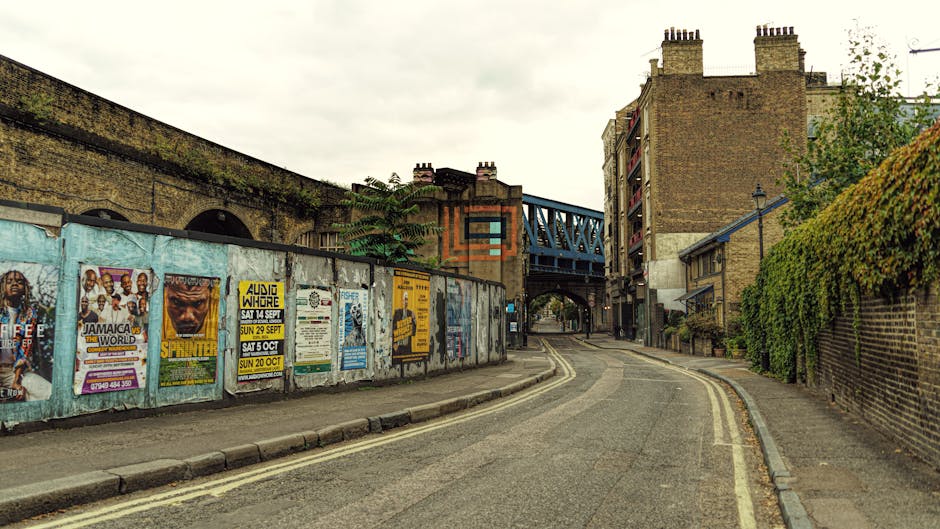
Acton Town Station removals tips for narrow streets

Moving near Acton Town Station can feel simple on a map and awkward in real life. The streets look compact, parking can be tight, and one badly timed van can block everything for a few frustrating minutes. If you are planning a move in this part of West London, the best Acton Town Station removals tips for narrow streets are the ones that save space, reduce lifting, and keep the whole job calm from start to finish.
This guide brings together practical planning advice, local access know-how, and sensible moving decisions for homes, flats, and small business moves near the station. You will find step-by-step guidance, a realistic comparison of moving options, a checklist, and a few mistakes that are easy to make when the street is too narrow for comfort. Let's face it, narrow streets are where good removals planning really earns its keep.
Why Acton Town Station removals tips for narrow streets Matters
Areas around stations tend to create a slightly messy moving environment. You get more foot traffic, more parked cars, tighter turning space, and the occasional impatient driver trying to squeeze past while you are halfway down the pavement with a sofa. On narrow streets, that combination matters more than most people expect.
The biggest issue is not usually the distance you are moving. It is the access. A move that would be straightforward on a wide suburban road can become slow and expensive if the vehicle cannot park close enough, if loading takes longer than planned, or if large furniture has to be carried around a bend, a bollard, or a line of already parked cars. A little planning here saves a surprising amount of energy.
For residents around Acton Town Station, removals often involve flats, maisonettes, older terraced homes, or mixed-use properties where stairwells and road width both add pressure. That is why narrow-street strategy is not a niche detail. It is central to the move.
Expert summary: the smarter the access plan, the fewer the delays, the lower the physical strain, and the less chance you have of turning moving day into a traffic puzzle nobody asked for.
How Acton Town Station removals tips for narrow streets Works
In practical terms, a narrow-street move near Acton Town Station works best when the job is broken into three stages: access planning, load planning, and vehicle positioning. That sounds tidy, and to be fair it is. The real value is that each stage reduces uncertainty.
Access planning means working out how the van will reach your property, where it can legally or safely stop, and whether there is room for doors to open without blocking pedestrians or neighbours. If the road is especially tight, the moving team may need to park a little further away and use trolleys or manual carrying for the final stretch.
Load planning means packing boxes and furniture in an order that matches the route out of the building. Heavy, awkward or fragile items should be set aside so they can be moved first or last, depending on what the access requires. This is where good packing makes a visible difference. The right boxes, labels and wrapping reduce double-handling.
Vehicle positioning is exactly what it sounds like. A removal van or moving truck needs to be placed so unloading is quick, safe, and not blocking the street longer than needed. In a narrow road, a small van often works better than a larger one simply because it is easier to place, reverse, and manage without awkward shuffling.
If you are booking help, services such as man and van support, removal van hire, or a broader removal services package can be sensible depending on the size of the job. For full-property moves, many people also look at home moves or flat removals if stairs and access are both part of the picture.
Key Benefits and Practical Advantages
Good planning for narrow streets is not just about avoiding stress. It has several practical advantages that show up quickly on the day.
- Less wasted time: if the van can park closer, loading and unloading become much quicker.
- Lower risk of damage: fewer long carries usually mean fewer knocks against door frames, cars, railings, or corners.
- Less physical strain: a shorter carrying distance is kinder on backs, shoulders, and temper alike.
- Better neighbour relations: keeping the street clear and the move tidy avoids needless friction.
- More control over timing: tight routes usually go better when boxes are prepped properly and the van size suits the street.
There is also a less obvious benefit: planning for a tight street makes the whole move feel more organised. People notice that. When the team arrives and the route is already thought through, the day tends to settle down quickly. You can almost hear the pace change.
For some moves, a slightly smaller vehicle is actually the smarter choice than a bigger one. That is not a compromise. It is a decision based on reality. If you need to compare vehicle sizes or load capacity, pages like moving truck and removal truck hire can help you think through the difference, especially if you are weighing speed against access.
Who This Is For and When It Makes Sense
This approach is useful for anyone moving near Acton Town Station, but it is especially helpful if any of the following sound familiar:
- You live on a street where two cars passing each other already feels optimistic.
- Your building has stairs, a shared entrance, or limited parking close to the door.
- You are moving a flat, a student room, or a smaller house with lots of boxed items.
- You need to move on a weekday or at a busy time when traffic builds quickly.
- You are relocating a small office or some commercial stock and can't afford delays.
It also makes sense if you have bulky items that are awkward in tight spaces. Sofas, wardrobes, beds, pianos, and solid furniture are the usual troublemakers. They look perfectly manageable in a roomy hallway, then suddenly become a geometry lesson on a staircase. A little dramatic, perhaps, but you know the feeling.
If that sounds like your situation, you may want to look at house removals or house removalists for a fuller service, or even piano removals if one especially delicate item is causing the planning headache.
Step-by-Step Guidance
Here is the most practical way to handle removals near a station area with tight roads.
- Measure the access honestly. Check the road width, entrance width, stair turns, and any low branches, bollards, or parked-car pinch points. If the van needs to reverse in, make sure there is space to do it safely.
- Decide what vehicle actually fits. Bigger is not always better. A compact van can be more efficient than a larger lorry if the street is cramped.
- Pack with the route in mind. Put the most urgent items near the front of the load plan. Label boxes clearly so the crew does not need to open anything in the street.
- Reserve space where possible. If you can organise parking in advance through sensible household coordination, it may make the move smoother. Keep it realistic though; don't assume the whole road will behave like a private drive.
- Protect the building and furniture. Use blankets, covers, tape, and corner protection. Narrow routes usually mean more contact with walls and door frames.
- Keep the exit path clear. Hallways, landings, and front steps should be free of clutter on moving day morning. Shoes, coats, recycling bags - all of it, gone.
- Load in the right order. Heavy, stable items usually go in first. Fragile or oddly shaped items should be secured carefully to avoid movement in transit.
- Allow for a slower final stretch. If the vehicle cannot park right outside, build in a little extra time for carrying goods the last few metres.
That last point matters more than people think. The final ten metres can be the difference between a calm job and a slightly frazzled one.
Expert Tips for Better Results
Some of the best removals tips are small, almost boring, and absolutely worth doing.
- Use smaller boxes for books and heavy items. It sounds simple, but a box that is too heavy is a nightmare on stairs and in narrow doorways.
- Take photos of tricky access points. A quick picture of the entrance, stairwell, or road can help everyone understand the layout before arrival.
- Disassemble furniture earlier than you think. Bed frames, table legs, and removable shelves make moving day far easier.
- Keep essentials separate. Kettle, documents, chargers, toiletries, and a change of clothes should not be buried in the van.
- Use a human loading sequence. Put what you need first somewhere easy to reach. Not every box should be treated equally.
- Work with the street, not against it. If the road is one-way, tight, or busier at certain times, plan the move around that reality.
Here is a small but useful observation: if a move is going to be awkward, it is usually awkward in exactly the same place every time. A narrow doorway. A low ceiling on the stairs. A parked car that eats half the turning space. Once you identify the real bottleneck, everything becomes easier to manage.
For packing support, it can help to use packing and boxes resources or a fuller packing and unpacking services option if you want to reduce the amount of handling on the day itself.
Common Mistakes to Avoid
A lot of narrow-street moving problems are preventable. The tricky bit is that the mistakes usually look harmless until the van is already there.
- Choosing a vehicle that is too large. This is the classic one. People think "one trip" and forget that the road needs to accept the vehicle in the first place.
- Packing heavy boxes too full. A box of books that barely lifts is not efficient. It is a liability.
- Leaving furniture dismantling until the last minute. That often leads to delays, missing fixings, or extra stress.
- Assuming parking will sort itself out. It usually doesn't. Not near busy transport links, anyway.
- Forgetting the staircase. A flat on the second or third floor can change the whole moving rhythm.
- Not checking access for corner turns. A sofa may fit through the front door and still fail at the stair landing. Annoying, but common.
A slightly less obvious mistake is underestimating how quickly a narrow street can feel blocked. One open van door, one lifted mattress, and the whole road suddenly feels tighter. That is why timing and positioning matter so much.
Tools, Resources and Recommendations
You do not need fancy kit for a successful move, but a few practical tools make a real difference.
| Item | Why it helps | Best use in narrow streets |
|---|---|---|
| Strong cardboard boxes | Protects contents and stacks neatly | Easy to carry through tight hallways and stairwells |
| Furniture blankets | Prevents scratches and scuffs | Useful where door frames and railings are close together |
| Straps and ties | Stops items moving in transit | Helps with sudden stops and short-distance loading |
| Dolly or sack truck | Reduces manual lifting | Great when the van cannot park right outside |
| Labels and marker pens | Speeds up unloading | Makes it easier to prioritise rooms and fragile items |
When choosing a moving company or comparing removal companies, look for clear communication about access, vehicle choice, and what happens if the street is tighter than expected. That matters more than slick wording. Ask practical questions. What size of van would they send? How do they handle limited parking? What if the front door is on a steep or awkward access path?
For many local moves, a straightforward man with a van arrangement is enough. For larger or more complex jobs, a more complete removals service can be a better fit. And if you are relocating a workplace, the dedicated office removals or office relocation services pages are worth a look.
Law, Compliance, Standards, or Best Practice
For a move near Acton Town Station, the main compliance concerns are usually practical rather than dramatic: safe loading, sensible parking, pedestrian access, and protecting property. You do not need to overcomplicate it, but you do need to respect the basics.
In the UK, moving teams should follow normal road safety expectations, avoid obstructing access unnecessarily, and work with appropriate care for lifts, stairs, and shared entrances. If there is a vehicle on a public road, it must be handled safely and in line with normal driving and parking rules. If a building has its own requirements, those should be followed too. That may include booking service lifts, notifying a building manager, or using agreed loading points. Simple, really. Just not always simple in the moment.
Professional movers also tend to work to common-sense standards around insurance and safety, especially when heavy furniture, fragile goods, and narrow access are involved. If you want reassurance on that side of things, pages such as insurance and safety and health and safety policy are useful places to understand the approach taken before booking.
For people who care about responsible disposal and less waste, it can also make sense to check recycling and sustainability, particularly if the move involves unwanted furniture or items that should not just be dumped because the day got busy. A calm move is good. A responsible one is better.
Options, Methods, or Comparison Table
There is no single right way to move on a narrow street, but some methods suit the situation better than others.
| Option | Best for | Pros | Watch out for |
|---|---|---|---|
| Man and van | Smaller flats, light furniture, quick moves | Flexible, often easier to park, usually efficient in tight roads | May not suit very large loads or long carry distances |
| Removal van | Medium household moves | Balanced capacity and access | Still needs enough turning room and sensible loading access |
| Removal truck hire | Large moves with predictable access | Higher volume, fewer trips | Can be difficult on very narrow streets |
| Full removals service | Busy households, stairs, fragile items, complex timing | Less stress, more support, better for tricky handling | Needs clear access information so the right vehicle is assigned |
For a smaller move near a station, the lighter option often wins. For a full family home or a business relocation, the bigger service may be worth it because the lifting, planning, and loading are shared properly. If the move is time-sensitive, same day removals may also be worth considering, although only if you are realistic about access and what can be completed safely in one go.
Case Study or Real-World Example
Here is a simple real-world style example. A resident near Acton Town Station is moving from a first-floor flat into a nearby terrace. The road is narrow, parking is limited, and there is a parked car opposite the entrance most of the day. On paper, it looks like a short move. In practice, it needs care.
The move goes better because the boxes are labelled by room, the bed frame is dismantled the night before, and the van chosen is small enough to stop without blocking the corner. The most awkward item is a wardrobe that won't fit upright on the staircase, so it is carried in parts instead of being forced through. There's a little bit of huffing, one quick pause for tea, and then it's done without drama.
What made the difference? Three things: the right vehicle, fewer oversized boxes, and a realistic route plan. Nothing flashy. Just the kind of preparation that turns a cramped street into a manageable one.
Practical Checklist
Use this before moving day. It is not fancy, but it helps.
- Confirm the full access route from van to front door.
- Check whether the road is wide enough for the planned vehicle.
- Measure stair turns, door widths, and any awkward corners.
- Separate fragile items and label boxes clearly.
- Dismantle beds, tables, and other bulky furniture in advance.
- Keep hallways, landings, and entrances clear.
- Prepare parking or loading notes for the moving team.
- Set aside essentials you will need first after arrival.
- Protect floors, walls, and furniture with covers where needed.
- Build in extra time if the street is likely to slow the move down.
If you are still planning the move, it may also help to review pricing and quotes so you understand how access, vehicle choice, and service level can affect the overall job. That clarity tends to reduce last-minute surprises.
Get a free quote today and see how much you can save.
Conclusion
The best Acton Town Station removals tips for narrow streets are really about respect for the space you are working in. Measure honestly, pack sensibly, choose a vehicle that fits the road, and do not treat the last few metres like an afterthought. That is where most of the trouble either starts or disappears.
A narrow street does not have to mean a difficult move. It just means the plan needs to be a bit smarter, a bit tidier, and a lot more grounded in reality. If you do that, the day usually feels far more manageable than the postcode might suggest. And honestly, that is a relief in itself.
When the van pulls away and the last box is inside, it's a good feeling. Quiet, ordinary, but good.
Frequently Asked Questions
What is the best vehicle for removals near Acton Town Station?
For narrow streets, a smaller van often works best because it is easier to park, reverse, and unload close to the property. The right choice depends on your load size and how tight the access is.
How do I know if my street is too narrow for a removal van?
Measure the road width, check for parked cars, and think about whether a van could stop without blocking the road. If turning or reversing already looks awkward with a car, it may be worth using a smaller vehicle.
Should I choose a man and van service for a small flat move?
Yes, often that is a sensible option for smaller loads, student moves, or short local jobs. It is especially useful where parking and access are tight.
How much does narrow-street access affect the cost of a move?
It can affect the time needed and the type of vehicle used, which may influence the price. The exact impact depends on the property, the load, and how much manual carrying is involved.
What should I pack first for a move with difficult access?
Start with items you use least, then pack by room and label everything clearly. Keep essentials, documents, and daily items separate so they are easy to reach later.
Is it better to dismantle furniture before moving day?
Usually yes. Dismantling bulky furniture in advance makes it easier to carry through narrow hallways, staircases, and tight front entrances.
Can a removal team help if parking is limited near my property?
Yes, a professional team can usually work with limited access by choosing the right vehicle, planning the unload carefully, and using the shortest safe carry route possible.
What items are hardest to move in narrow streets?
Large sofas, wardrobes, mattresses, pianos, and solid wooden furniture are often the trickiest because they are awkward to turn and can catch on walls or door frames.
How early should I book a move near Acton Town Station?
As early as you can, especially if you need a specific date or are moving at a busy time. Early booking gives you more choice over vehicle size and planning.
What if my new or old building has stairs and no lift?
Tell the mover in advance. Stairs change the whole job, so the team can plan loading order, crew size, and carrying routes more accurately.
Do I need extra planning for office removals on narrow streets?
Yes. Office items can be bulky, time-sensitive, and harder to handle in tight access, so services like office removals or commercial moves are worth considering when speed and organisation matter.
Where can I get help if I still have questions about my move?
If you are unsure about access, vehicle choice, or the best service for your load, it makes sense to speak directly with a local mover and use the available service information to compare options before you commit.